Zamelon vs Other Creator Platforms: How Does It Compare?
The creator economy continues to expand at an incredible pace. Platforms that allow creators to monetize content directly through subscriptions and community support are becoming essential tools for bloggers, influencers, educators, and digital entrepreneurs.
One platform gaining attention is Zamelon. But how does it compare to established players in the creator economy like Patreon, OnlyFans, and Ko-fi?

Let’s break it down.
⸻
1. Zamelon vs Patreon
Patreon is one of the most recognized names in the subscription-based creator space. It allows creators to offer tiered memberships, exclusive posts, and community access.
Where Patreon Excels:
• Strong brand recognition
• Tiered subscription models
• Integrated community tools
• Established payment infrastructure
Where Zamelon Competes:
Zamelon appears to focus on simplicity and direct creator-audience interaction. For creators who want a streamlined experience without complex tier systems, this can be appealing.
While Patreon has years of brand authority, newer platforms like Zamelon can often adapt faster and build more focused communities without legacy system limitations.
⸻
2. Zamelon vs OnlyFans
OnlyFans is widely known for subscription-based content and has become a major player in monetized digital communities.
OnlyFans Strengths:
• Massive user base
• High earning potential for creators
• Established monetization model
Zamelon’s Position:
Zamelon operates within a similar creator-support model but may appeal to users looking for alternative spaces within the same ecosystem. Newer platforms often provide opportunities for early adopters to stand out before markets become saturated.
For creators seeking emerging platforms with growing user bases, Zamelon’s 50,000+ users indicate traction and momentum.
⸻
3. Zamelon vs Ko-fi
Ko-fi is known for its simple “buy me a coffee” support structure.
Ko-fi Advantages:
• Easy one-time donations
• Simple setup
• Low barrier to entry
Zamelon’s Advantage:
Zamelon appears more subscription-focused, allowing creators to build recurring income streams rather than relying solely on one-time contributions. Recurring subscriptions typically provide greater income stability over time.
⸻
4. User Growth & Opportunity
One of the key considerations when choosing a creator platform is growth potential.
Established platforms like Patreon and OnlyFans have scale, but they also have intense competition. Newer platforms like Zamelon can offer:
• Lower competition
• Higher visibility for early adopters
• Faster audience growth opportunities
• Potentially stronger organic discoverability
A 50,000-user base shows that Zamelon is not just an idea — it’s already building an ecosystem.
⸻
5. Which Platform Is Best?
The answer depends on your goals:
• Want brand authority and proven infrastructure? → Patreon
• Want access to a massive existing subscriber base? → OnlyFans
• Want simple donations? → Ko-fi
• Want to grow early on a developing platform with expanding traction? → Zamelon
Each serves a slightly different strategic purpose.
⸻
Final Thoughts
The creator economy is no longer controlled by one or two major platforms. Instead, it’s becoming a diversified ecosystem of subscription models, support platforms, and niche communities.
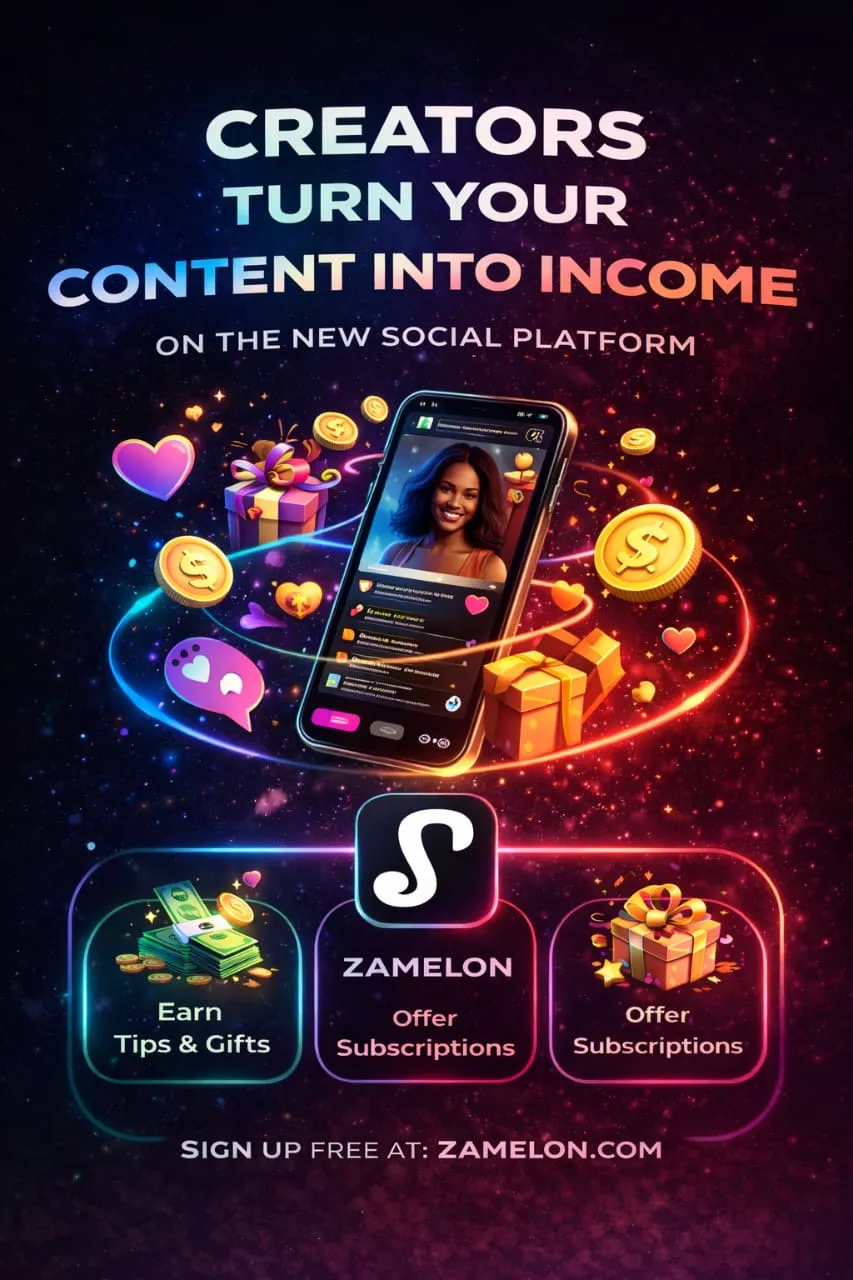
Zamelon is positioning itself as part of this new wave — offering creators another avenue to monetize content and connect directly with their audience.
For creators evaluating their options, the smartest approach may not be choosing just one platform — but selecting the one that best aligns with their growth strategy and long-term brand vision.
As the space continues to evolve, keeping an eye on emerging platforms like Zamelon could provide early opportunities for creators willing to explore beyond the mainstream options.